
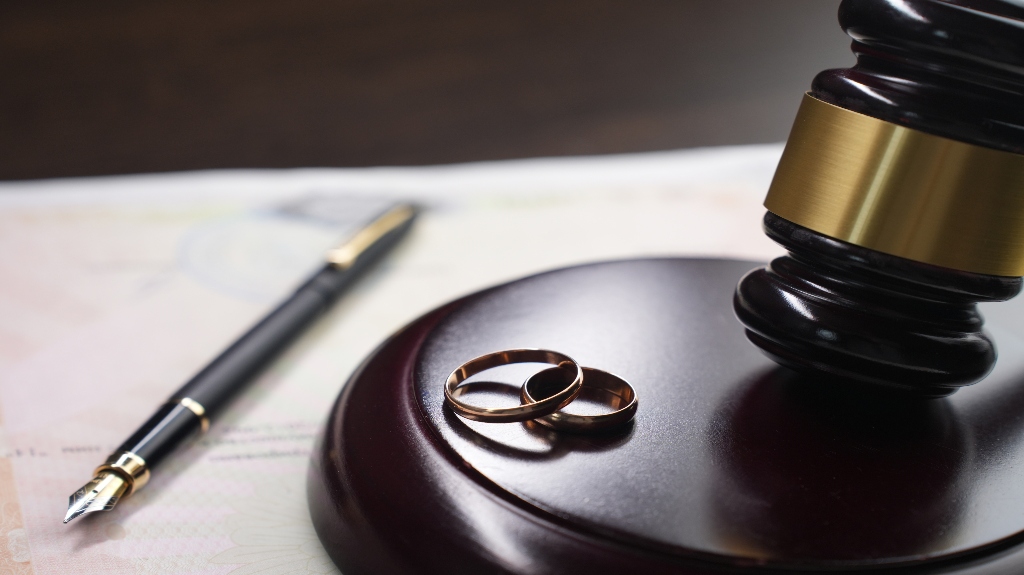
When a marriage experiences difficulties, couples in New Jersey may consider their options. Divorce may seem like the only solution, but many people also explore the possibility of “legal separation”. Understanding what legal separation entails in New Jersey and what it does not is essential for making informed decisions about the future.
Understanding Legal Separation vs. Divorce from Bed and Board
Here’s something that might surprise many residents of New Jersey: the state doesn’t recognize “legal separation” in the traditional sense that it exists in other states. Instead, New Jersey offers something similar called “divorce from bed and board”, also known as a limited divorce.
Under N.J.S.A. 2A:34-3, a divorce from bed and board allows couples to live apart while remaining legally married. This option ends the right to cohabitation, but it does not dissolve the marriage. It is like a middle ground – you are no longer living together as husband and wife, but you are still legally married.
What Legal Separation (Divorce from Bed and Board) Actually Means
A divorce from bed and board provides certain legal protections while maintaining the legal status of the marriage. The court can address important issues such as spousal support, child custody and property division as it would in a traditional divorce, but since the marriage continues legally neither spouse is allowed to remarry.
This arrangement may be appealing to couples who have religious or personal reservations about divorce. They may need to continue receiving certain benefits associated with marriage, such as health insurance. Alternatively, they may simply require time apart to assess whether reconciliation is possible.
The Grounds for Divorce from Bed and Board
According to the New Jersey statute, you can file for divorce based on grounds such as extreme cruelty, adultery or willful desertion. These grounds are similar to those used in absolute divorce cases. The court will consider your circumstances and decide whether a limited form of divorce is appropriate for you.
What Legal Separation Is Not in New Jersey
It’s important to understand the limitations of separation in New Jersey. While a separation agreement can be created to outline how finances and custody will be handled while spouses live apart, this does not constitute a legal separation under New Jersey law. A separation can be converted into permanent divorce if one or both parties later decide to end the marriage.
Unlike informal separations, divorce from bed and board requires filing a complaint with a court to obtain a judgment. Since the marriage is still legally active, neither spouse can enter another marriage until the separation has been converted to permanent divorce.
Making the Right Choice for Your Situation

Deciding whether to undergo a divorce from bed and board, absolute divorce, or simply live separately under an informal arrangement, requires careful consideration of your unique circumstances. Factors such as financial security, children’s needs, religious beliefs, and long-term goals all play significant roles in this decision.
Many couples find that working with an experienced New Jersey divorce lawyer helps them make informed decisions during this challenging time. A lawyer can explain the various options available, how they might affect your rights and responsibilities, as well as your future opportunities.
Getting Professional Guidance
The decision to end a marriage, whether through separation or divorce, is never easy. At Carvajal Law, we understand the emotional and legal challenges involved in this process.
Whether you are considering separation or need assistance with other family law issues, we are here to help. To schedule a free consultation, call 201-281-5577 today or fill out our online form.